ExplainedA solid ordinary explanation fits the evidence.
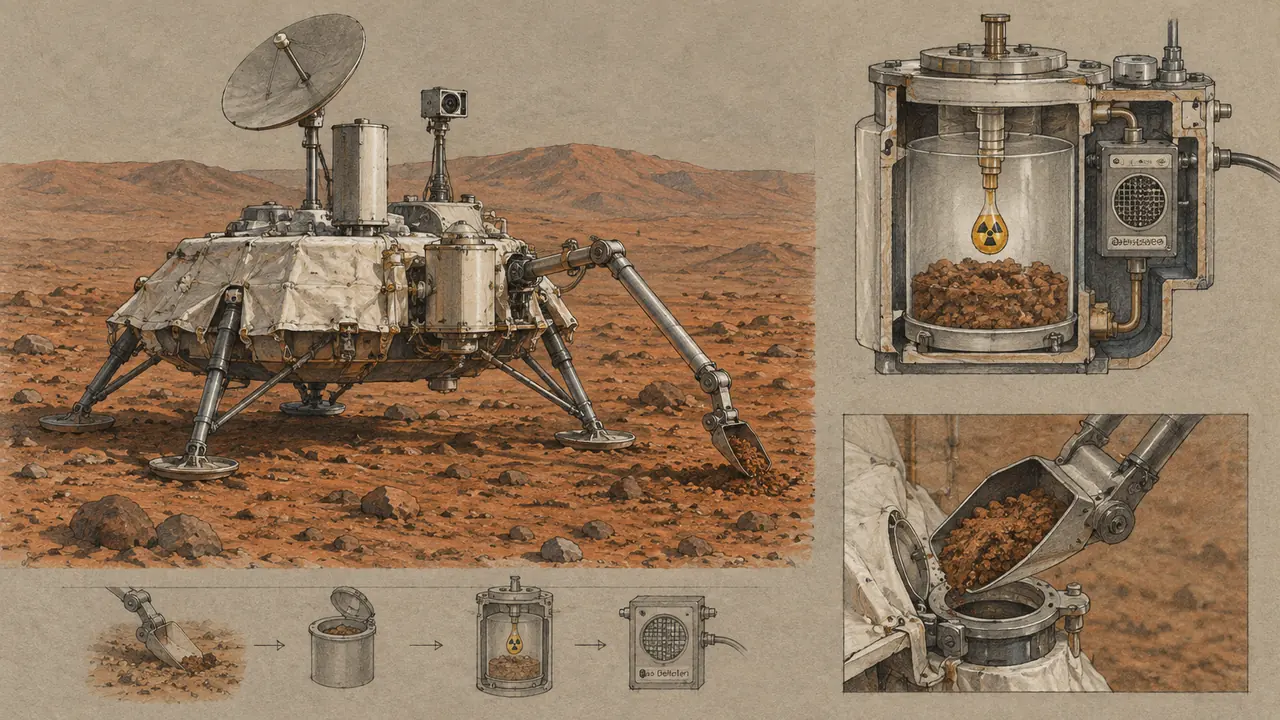
The claim
"NASA's Viking landers detected life on Mars and NASA ignored it."
Where the idea comes from
The Labeled Release experiment's designer, Gilbert Levin, argued for decades that it had found life.
What the evidence shows
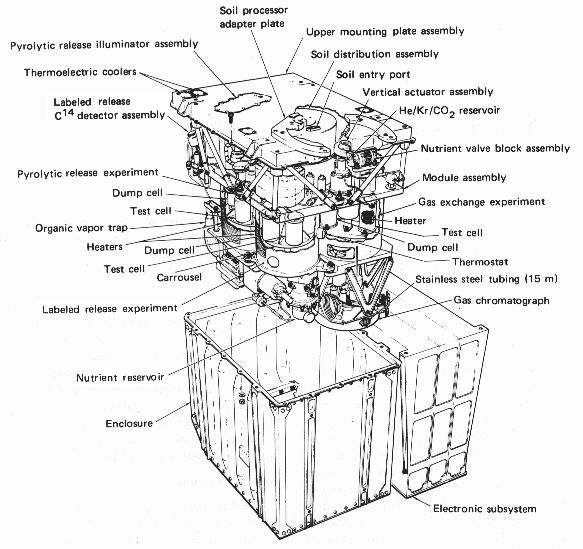
- The experiment added nutrients with radioactive carbon to soil and watched for gas; it did release gas, as microbes would.
- Viking's other instruments found no organic molecules in the soil, which made life unlikely.
- In 2008 the Phoenix lander found perchlorate salts in Martian soil. Perchlorates and other oxidants can produce the same reaction without life.
What is still open
A small minority still argues the result was biological. Later missions have found organics on Mars, so the question of past life stays open, but the Viking result itself has a chemical explanation.
Our verdict
Explained Reactive Martian soil explains the result.
Sources
Checked 31 October 2026. Spotted a newer source? Tell us.
Advertisement
More from Life in the cosmos
See all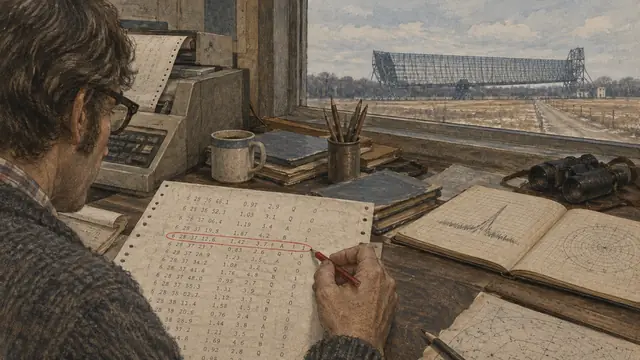 UnprovenThe Wow! signalAugust 1977 · Big Ear telescope, OhioA 72-second radio burst was the best alien signal ever received.
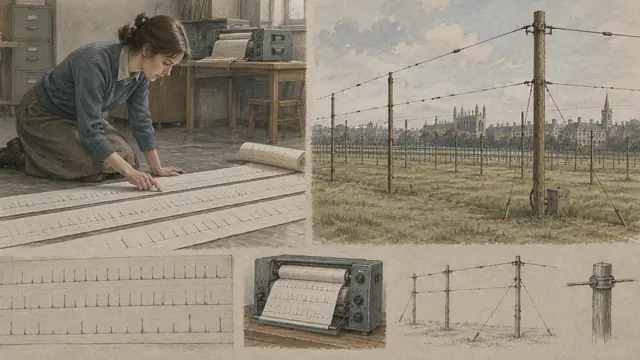 Explained"Little Green Men 1"1967 · Cambridge, EnglandA radio pulse ticking every 1.3 seconds was an alien beacon.
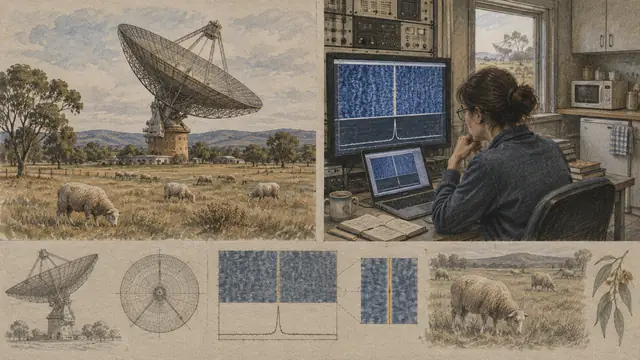 ExplainedBLC1 from Proxima Centauri2019, analysed 2021 · Parkes telescope, AustraliaA narrow radio signal seemed to come from our nearest star.
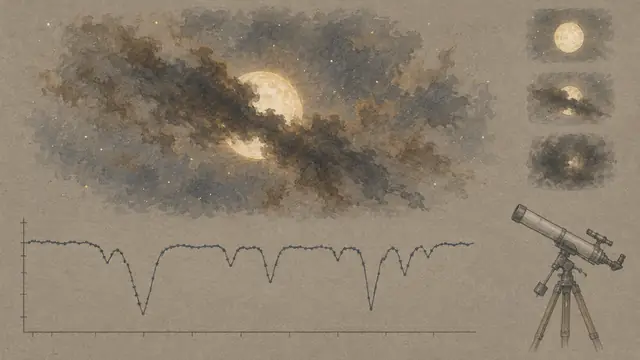 ExplainedTabby's Star2015 to 2018 · KIC 8462852A star dimming by up to 22% could be surrounded by an alien megastructure.
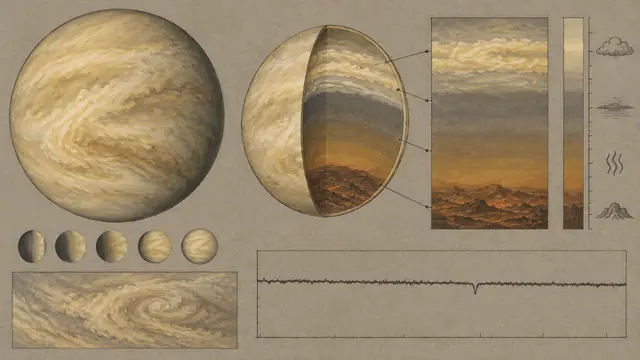 UnprovenPhosphine on VenusSeptember 2020 · VenusA gas made by microbes on Earth was found in Venus's clouds.
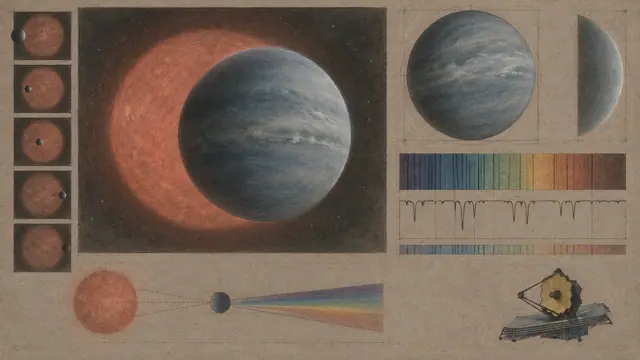 Worth watchingK2-18b and dimethyl sulfideApril 2025 · 124 light years awayThe James Webb telescope found a gas that on Earth only life makes.