ExplainedA solid ordinary explanation fits the evidence.
The claim
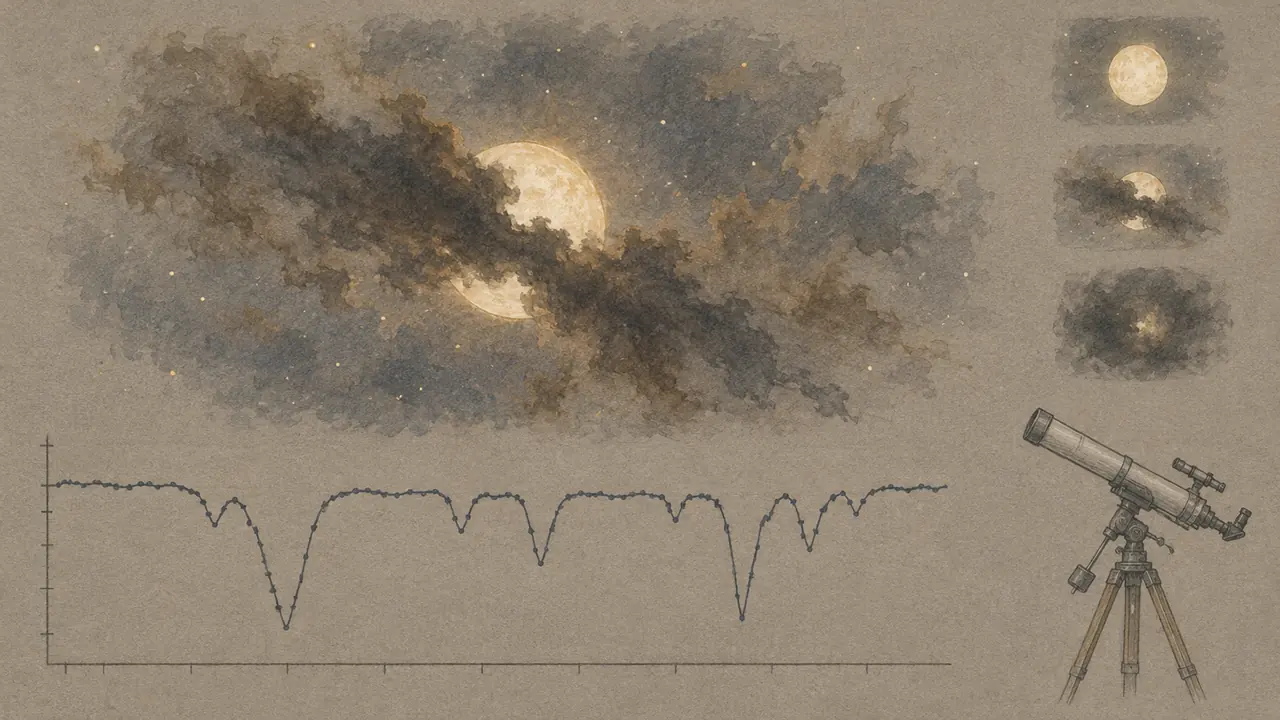
"A star dimming by up to 22% could be surrounded by an alien megastructure."
Where the idea comes from
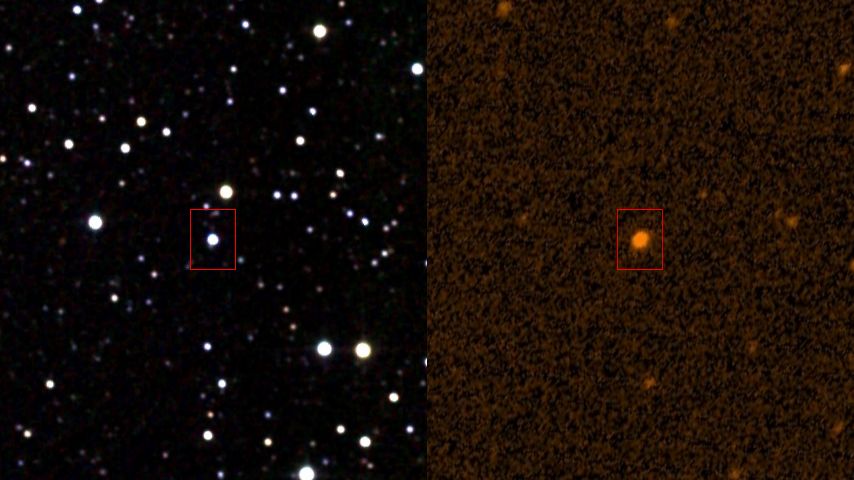
Citizen scientists in the Planet Hunters project spotted strange, irregular dips in Kepler data; astronomer Tabetha Boyajian led the study.
What the evidence shows
- The dips were real and unlike planet transits: irregular, deep and uneven.
- Follow-up observations from 2017 found the star dimmed more in blue light than in red. Dust does that; a solid structure would block all colours equally.
- Radio and laser SETI searches of the star found no artificial signals.
What is still open
Where the dust comes from (broken comets, a disrupted moon) is still studied.
Our verdict
Explained Dust blocks colours unevenly; a megastructure wouldn't.
Sources
Checked 31 October 2026. Spotted a newer source? Tell us.
Advertisement
Watch
 ▶
More from Life in the cosmos
See all UnprovenThe Wow! signalAugust 1977 · Big Ear telescope, OhioA 72-second radio burst was the best alien signal ever received.
 Explained"Little Green Men 1"1967 · Cambridge, EnglandA radio pulse ticking every 1.3 seconds was an alien beacon.
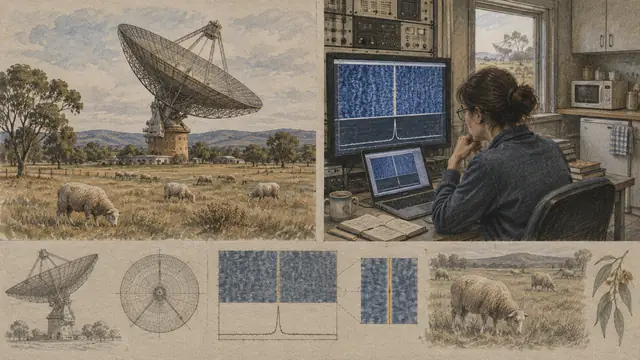 ExplainedBLC1 from Proxima Centauri2019, analysed 2021 · Parkes telescope, AustraliaA narrow radio signal seemed to come from our nearest star.
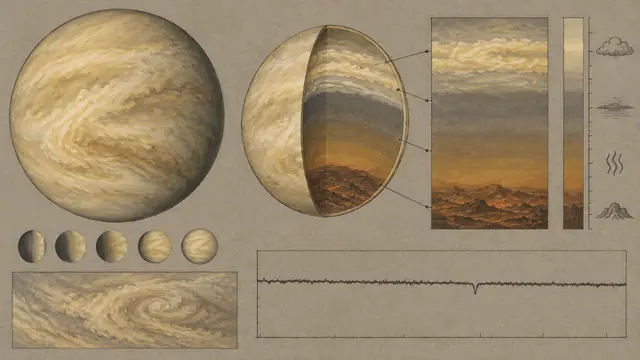 UnprovenPhosphine on VenusSeptember 2020 · VenusA gas made by microbes on Earth was found in Venus's clouds.
 Worth watchingK2-18b and dimethyl sulfideApril 2025 · 124 light years awayThe James Webb telescope found a gas that on Earth only life makes.
 Worth watchingMars: the "leopard spots" of Cheyava FallsJuly 2024; paper September 2025 · Jezero Crater, MarsNASA's rover found the clearest sign of ancient life on Mars.