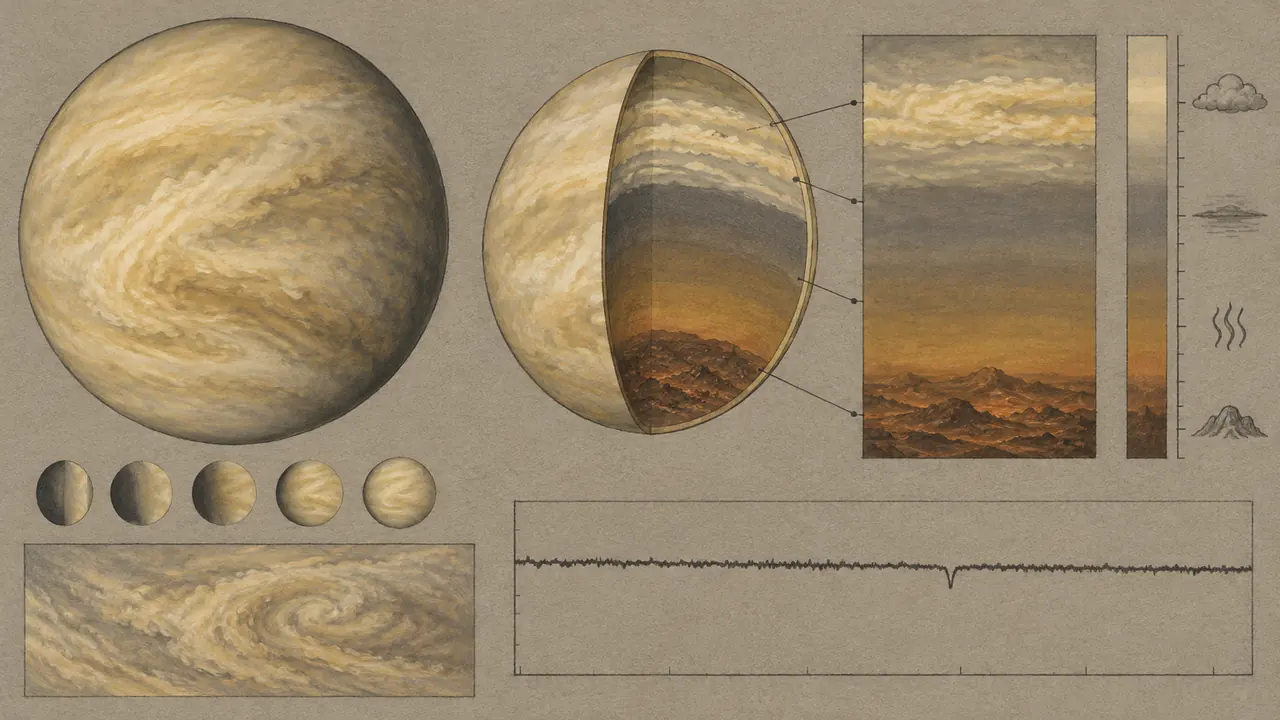
The claim
"A gas made by microbes on Earth was found in Venus's clouds."
Where the idea comes from
A team led by Jane Greaves reported phosphine in Nature Astronomy, using the JCMT and ALMA telescopes.
What the evidence shows
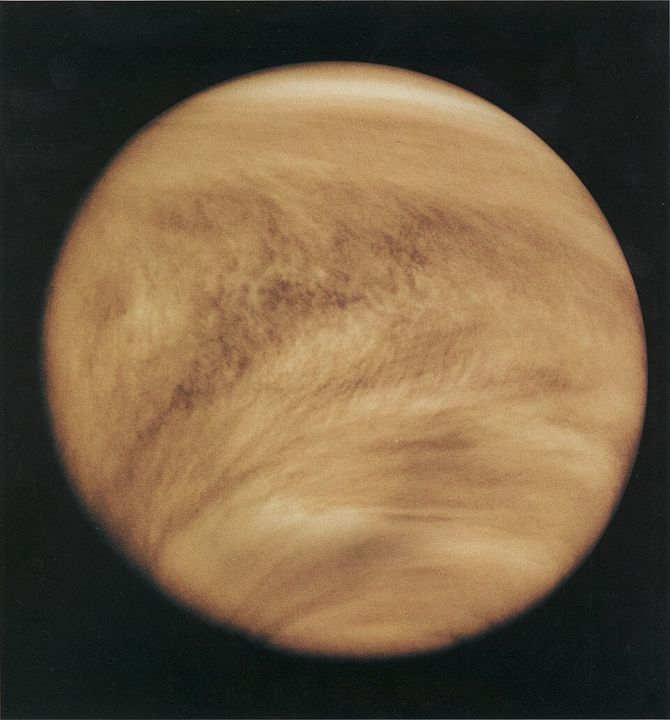
- On Earth phosphine is made mainly by microbes and industry, which is why the detection made headlines.
- Reanalyses found problems with the data processing; the ALMA signal shrank after a calibration error was fixed.
- Some argued the signal was sulphur dioxide; others suggested volcanic or unknown chemical sources.
- Follow-up observations have given mixed results.
What is still open
A Venus probe sampling the clouds directly (such as the planned DAVINCI mission) would settle it. Weigh the explanations and vote.
Our verdict
Unproven Disputed detection, with possible non-living sources.
Sources
Checked 31 October 2026. Spotted a newer source? Tell us.
The competing explanations
Our summary of the main hypotheses, with what supports and what counts against each one.
A data processing error
For The ALMA signal shrank after a calibration error was fixed, and reanalyses found problems.
Against The original team says some signal remains in both telescopes.
Sulphur dioxide, not phosphine
For SO2 has a line very close to phosphine's, and Venus is full of it.
Against The original team disputes the line identification.
Real phosphine from volcanoes or unknown chemistry
For Venus's chemistry is poorly known; volcanoes could release phosphorus.
Against Models struggle to make enough phosphine without life.
Microbes in the cloud layer
For The clouds at 50 to 60 km have Earth-like temperatures and pressures.
Against They are also extremely acidic and dry; the signal itself is disputed.
Your vote: what is the best explanation?
One vote per visitor. Results appear after you vote.
What to watch next
- NASA's DAVINCI probe, planned to drop through Venus's atmosphere around the early 2030s.
- Rocket Lab's small private Venus probe, which has slipped several times.
Watch
 ▶
More from Life in the cosmos
See all UnprovenThe Wow! signalAugust 1977 · Big Ear telescope, OhioA 72-second radio burst was the best alien signal ever received.
 Explained"Little Green Men 1"1967 · Cambridge, EnglandA radio pulse ticking every 1.3 seconds was an alien beacon.
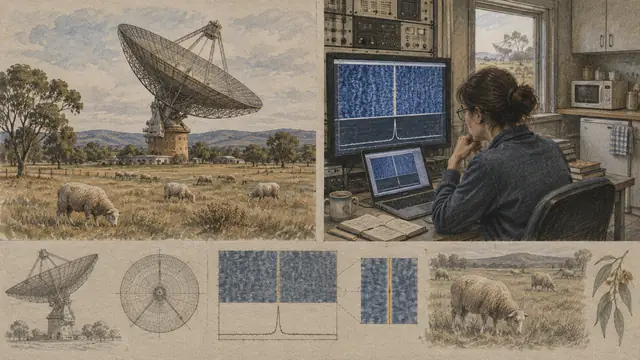 ExplainedBLC1 from Proxima Centauri2019, analysed 2021 · Parkes telescope, AustraliaA narrow radio signal seemed to come from our nearest star.
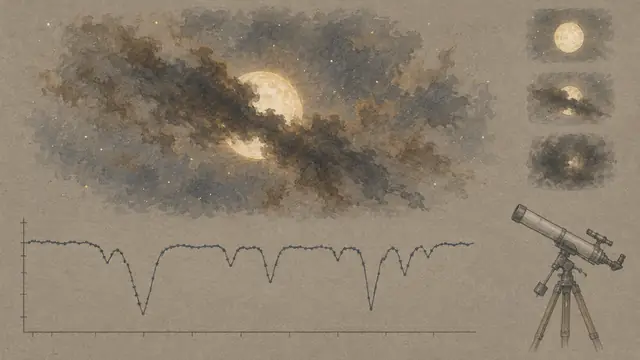 ExplainedTabby's Star2015 to 2018 · KIC 8462852A star dimming by up to 22% could be surrounded by an alien megastructure.
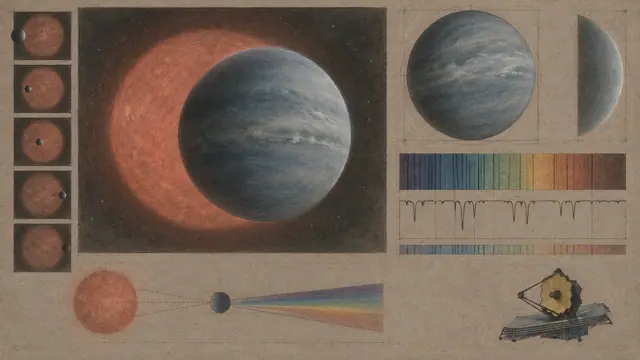 Worth watchingK2-18b and dimethyl sulfideApril 2025 · 124 light years awayThe James Webb telescope found a gas that on Earth only life makes.
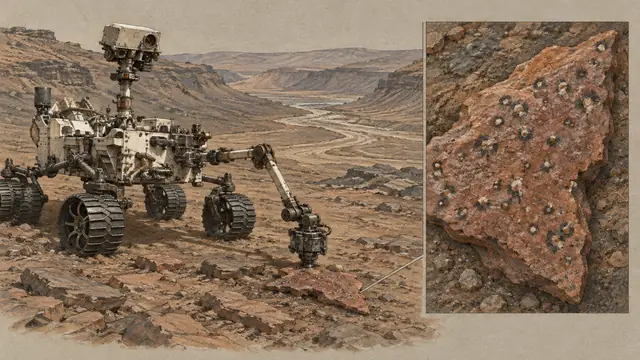 Worth watchingMars: the "leopard spots" of Cheyava FallsJuly 2024; paper September 2025 · Jezero Crater, MarsNASA's rover found the clearest sign of ancient life on Mars.