The claim
"A 72-second radio burst was the best alien signal ever received."
Where the idea comes from
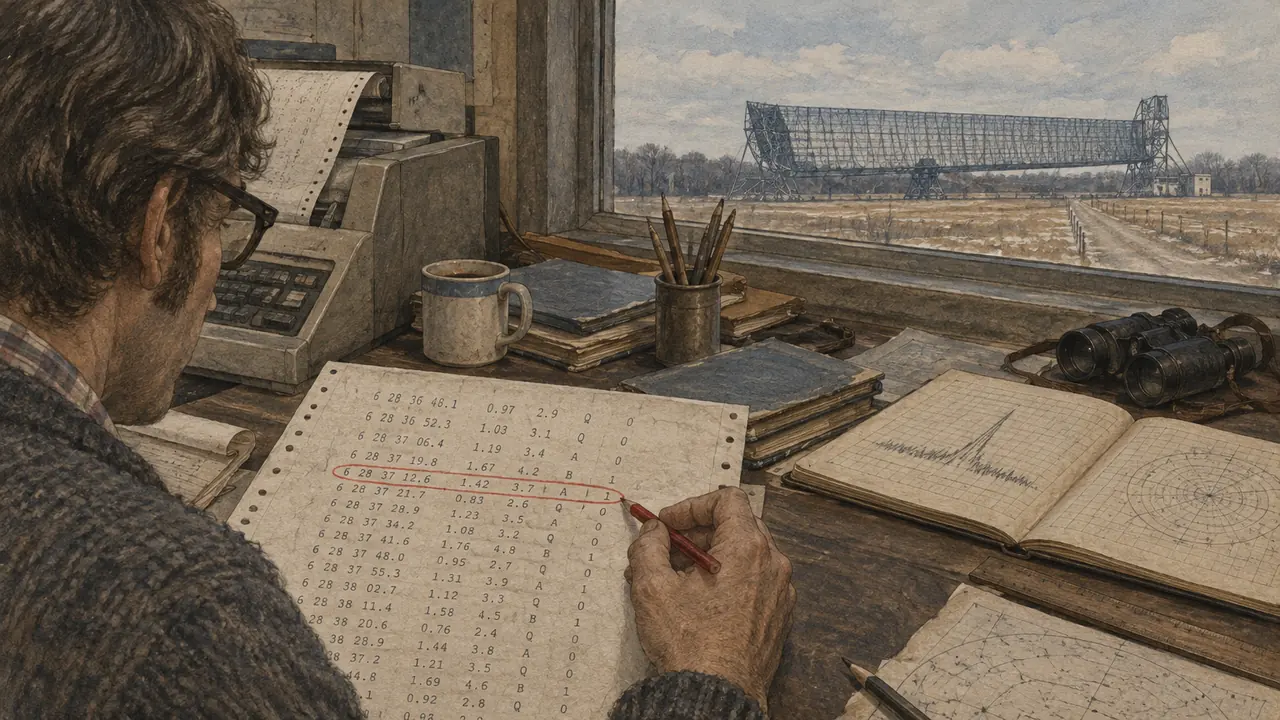
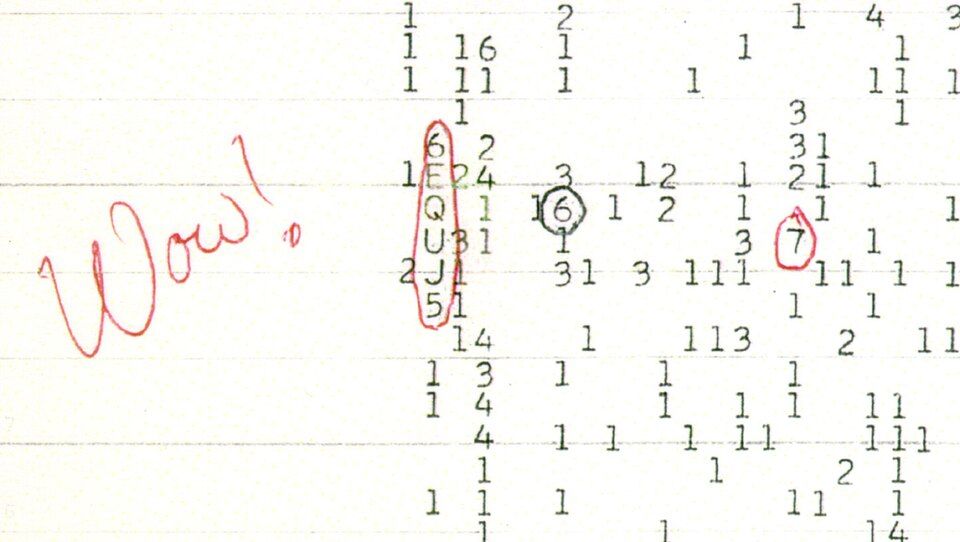
Astronomer Jerry Ehman circled the printout of a strong narrowband signal near the hydrogen line and wrote "Wow!".
What the evidence shows
- The signal rose and fell over 72 seconds, exactly how a fixed point in the sky would pass through the telescope's beam as Earth turned.
- It was near 1420 MHz, the frequency SETI researchers expected aliens might use.
- It has never been detected again despite dozens of searches, which makes it impossible to test.
- A 2024 study proposed a rare natural cause: a cold hydrogen cloud suddenly brightened by a flare from a magnetar, similar signals having been seen in archival data.
What is still open
A one-off can never be confirmed. If a similar signal repeated, it could be studied properly. Weigh the explanations and vote.
Our verdict
Unproven A genuine mystery that never repeated; a natural cause is now on the table.
Sources
Checked 31 October 2026. Spotted a newer source? Tell us.
The competing explanations
Our summary of the main hypotheses, with what supports and what counts against each one.
A hydrogen cloud brightened by a flare
For A 2024 study found similar, weaker signals in archival data from Arecibo, all from cold hydrogen clouds.
Against Needs a rare, strong burst at exactly the right time.
Earth-based interference
For Radio interference fooled SETI before (BLC1).
Against 1420 MHz is a protected band, and the signal matched a fixed point in the sky.
An alien transmission
For Narrowband, near the hydrogen line, and exactly the pattern of a fixed sky source.
Against Never repeated in dozens of searches, so it can't be tested.
Your vote: what is the best explanation?
One vote per visitor. Results appear after you vote.
What to watch next
- Follow-up radio searches of the hydrogen clouds proposed in the 2024 study.
Watch
 ▶
More from Life in the cosmos
See all Explained"Little Green Men 1"1967 · Cambridge, EnglandA radio pulse ticking every 1.3 seconds was an alien beacon.
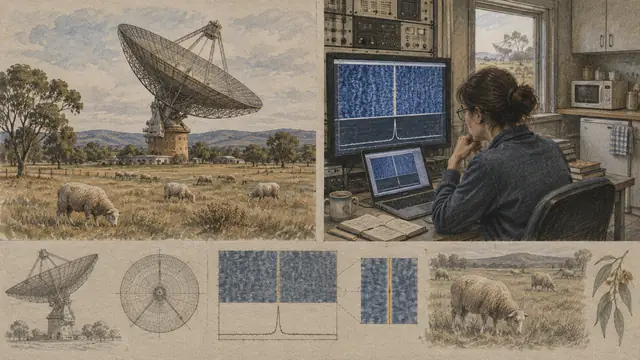 ExplainedBLC1 from Proxima Centauri2019, analysed 2021 · Parkes telescope, AustraliaA narrow radio signal seemed to come from our nearest star.
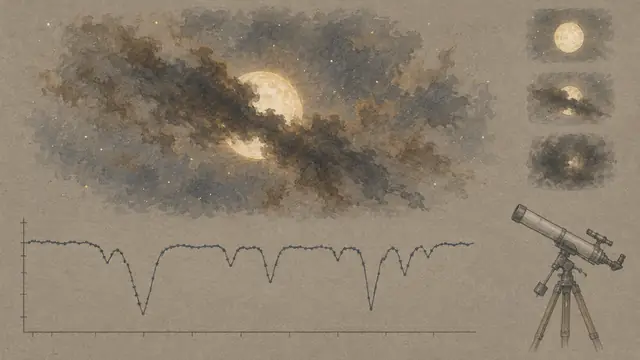 ExplainedTabby's Star2015 to 2018 · KIC 8462852A star dimming by up to 22% could be surrounded by an alien megastructure.
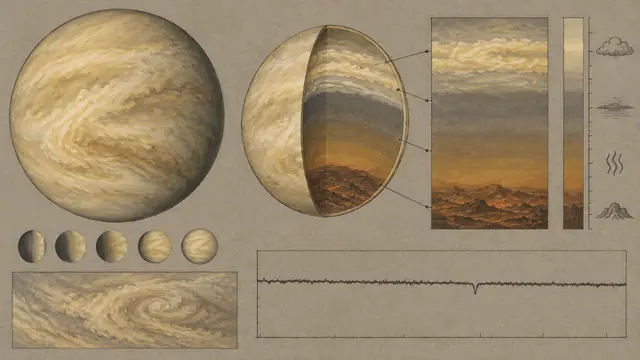 UnprovenPhosphine on VenusSeptember 2020 · VenusA gas made by microbes on Earth was found in Venus's clouds.
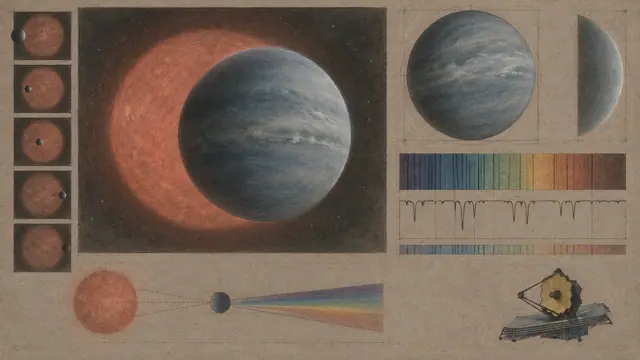 Worth watchingK2-18b and dimethyl sulfideApril 2025 · 124 light years awayThe James Webb telescope found a gas that on Earth only life makes.
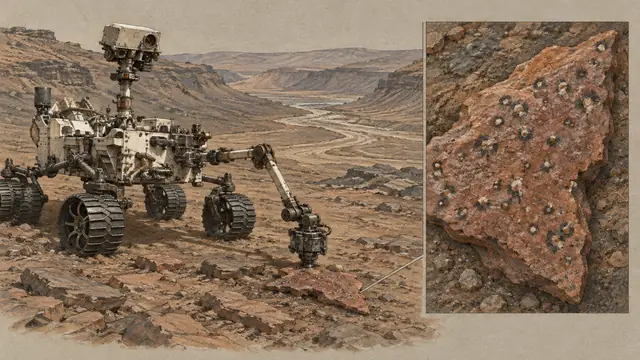 Worth watchingMars: the "leopard spots" of Cheyava FallsJuly 2024; paper September 2025 · Jezero Crater, MarsNASA's rover found the clearest sign of ancient life on Mars.