The claim
"Saturn's icy moon has everything life needs."
Where the idea comes from
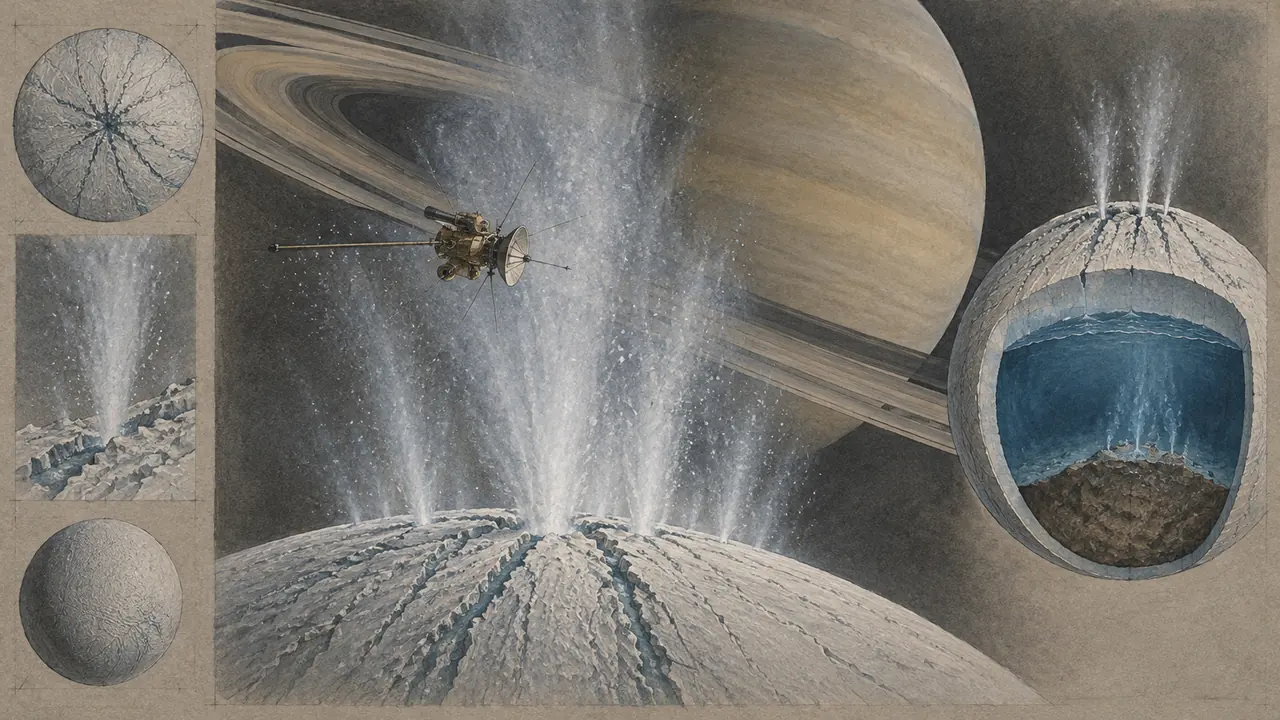
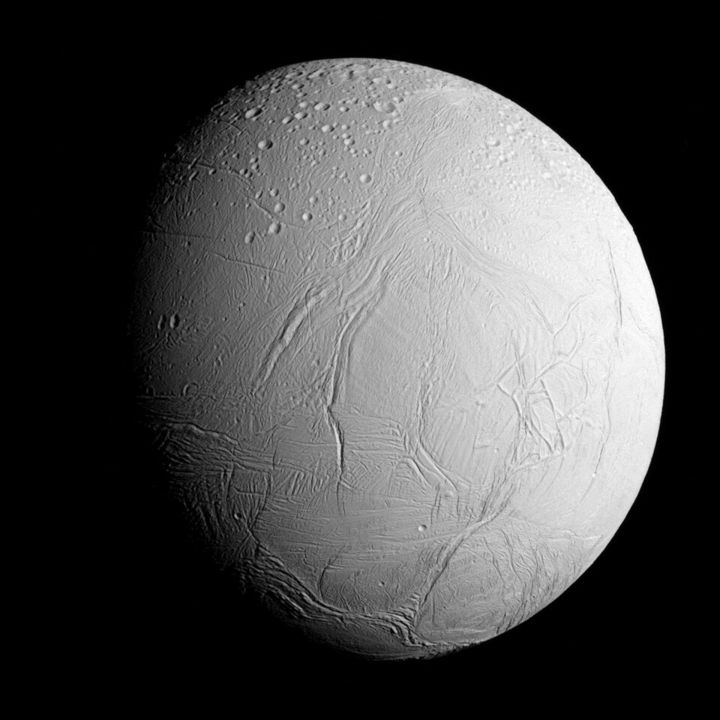
NASA's Cassini spacecraft discovered geysers at the south pole in 2005 and flew through them repeatedly until 2015.
What the evidence shows
- The plumes come from a global salty ocean under the ice.
- Cassini detected salts, organic molecules, ammonia and molecular hydrogen, a possible energy source for microbes like those at Earth's deep-sea vents.
- In 2023 researchers reported phosphates in ice grains from the plumes, the last of the six key elements for life (CHNOPS) to be found there.
- These are ingredients and energy, not life itself.
What is still open
No mission to look for life at Enceladus is yet approved. Europa Clipper will reach Jupiter's moon Europa, another ocean world, in 2030. Weigh the explanations and vote.
Our verdict
Worth watching A prime place to look, not evidence of life.
Sources
Checked 31 October 2026. Spotted a newer source? Tell us.
The competing explanations
Our summary of the main hypotheses, with what supports and what counts against each one.
Microbial life lives in the ocean today
For Liquid water, salts, organics, phosphates and hydrogen for energy: all the ingredients life uses on Earth.
Against Ingredients are not life. Nothing in Cassini's data needs life to explain it.
Rich chemistry, but life never started
For The ocean may be too young, or conditions too unstable, for life to begin.
Against On Earth life appeared quickly once conditions allowed.
Can't say until we go back
For Cassini was never designed to detect life; only a dedicated mission can answer this.
Against That will take decades.
Your vote: what is the best explanation?
One vote per visitor. Results appear after you vote.
What to watch next
- ESA's L4 Enceladus orbiter and lander study: a workshop at the end of 2026 and instrument calls after, with launch in the 2040s.
- NASA's Europa Clipper reaches another ocean moon, Europa, in 2030.
- Webb observations of the Enceladus plume.
More from Life in the cosmos
See all UnprovenThe Wow! signalAugust 1977 · Big Ear telescope, OhioA 72-second radio burst was the best alien signal ever received.
 Explained"Little Green Men 1"1967 · Cambridge, EnglandA radio pulse ticking every 1.3 seconds was an alien beacon.
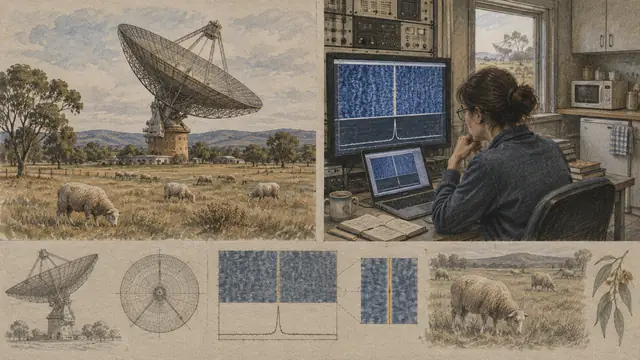 ExplainedBLC1 from Proxima Centauri2019, analysed 2021 · Parkes telescope, AustraliaA narrow radio signal seemed to come from our nearest star.
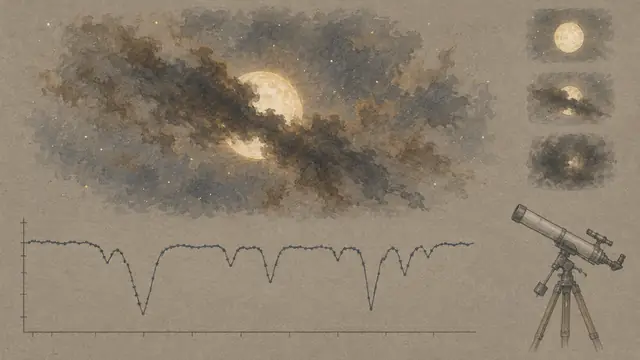 ExplainedTabby's Star2015 to 2018 · KIC 8462852A star dimming by up to 22% could be surrounded by an alien megastructure.
 UnprovenPhosphine on VenusSeptember 2020 · VenusA gas made by microbes on Earth was found in Venus's clouds.
 Worth watchingK2-18b and dimethyl sulfideApril 2025 · 124 light years awayThe James Webb telescope found a gas that on Earth only life makes.